Sale: 30% off food and beds

Notes from the counter

The Willowbend Journal

Short, practical reads on feeding, health and everyday training — written by the same folks who bag your kibble.

Spaniel sitting on a forest path

Flea and tick season: a simple prevention routine

Jul 2026

Start prevention before you ever spot a flea — by the time you see one, eggs are already in the carpet. Keep your dog or cat on a vet-approved preventive year-round, since our mild winters no longer kill ticks off reliably. After walks through grass or woods, run your hands against the fur and check ears, armpits, and between toes where ticks hide. Wash bedding weekly in hot water during peak season, vacuum rugs and sofa seams, and empty the canister outside. If you find a tick, use fine tweezers close to the skin, save it in a dated baggie, and watch the bite site for a week. Prevention beats treatment every time, and it costs far less than a flea infestation.
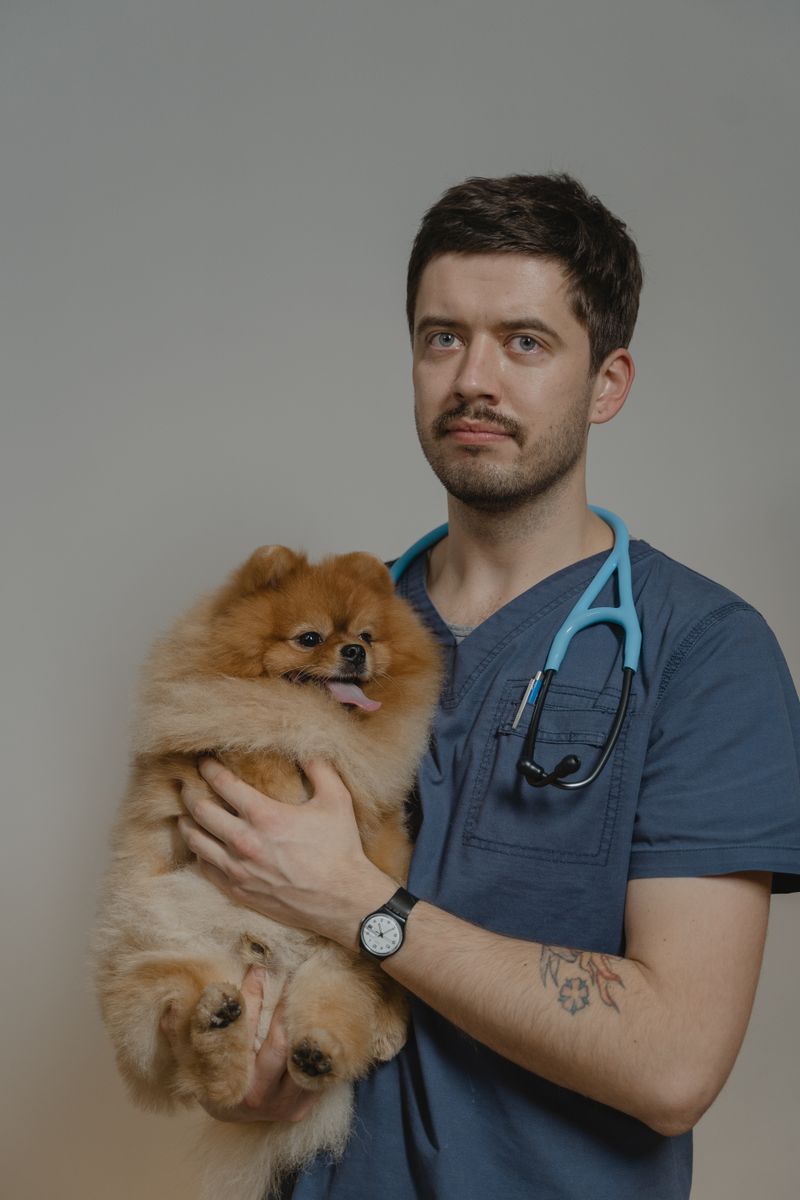

Veterinarian holding a Pomeranian dog

Is grain-free food right for your dog?

Jul 2026

For most dogs, the answer is no — grains like rice, oats, and barley are easy to digest and rarely the real culprit behind itchy skin. True grain allergies are uncommon; the itch usually traces to a protein such as chicken or beef, or to seasonal pollen. Grain-free recipes swap grains for peas and lentils, and vets have flagged a possible link between those heavy-legume diets and heart concerns in some breeds. So unless your vet has diagnosed a specific grain issue through a proper elimination trial, choose a recipe with a named meat first and wholesome grains behind it. Bring us the bag your dog eats now and we'll read the label with you.

Black cat sitting outdoors

Five signs your cat needs a vet visit

Jul 2026

Cats hide illness as a survival instinct, so subtle changes matter. Watch for these five: eating noticeably less (or skipping meals two days running), drinking far more water than usual, hiding or sleeping in new spots, a dull or ungroomed coat, and litter-box changes like straining or going outside the box. Any one of these lasting more than a day or two deserves a call to your vet — and straining to urinate, especially in males, is an emergency, not a wait-and-see. Jot down when each change started before you call; timelines help vets diagnose faster. Early visits catch small problems while they're still small and inexpensive.

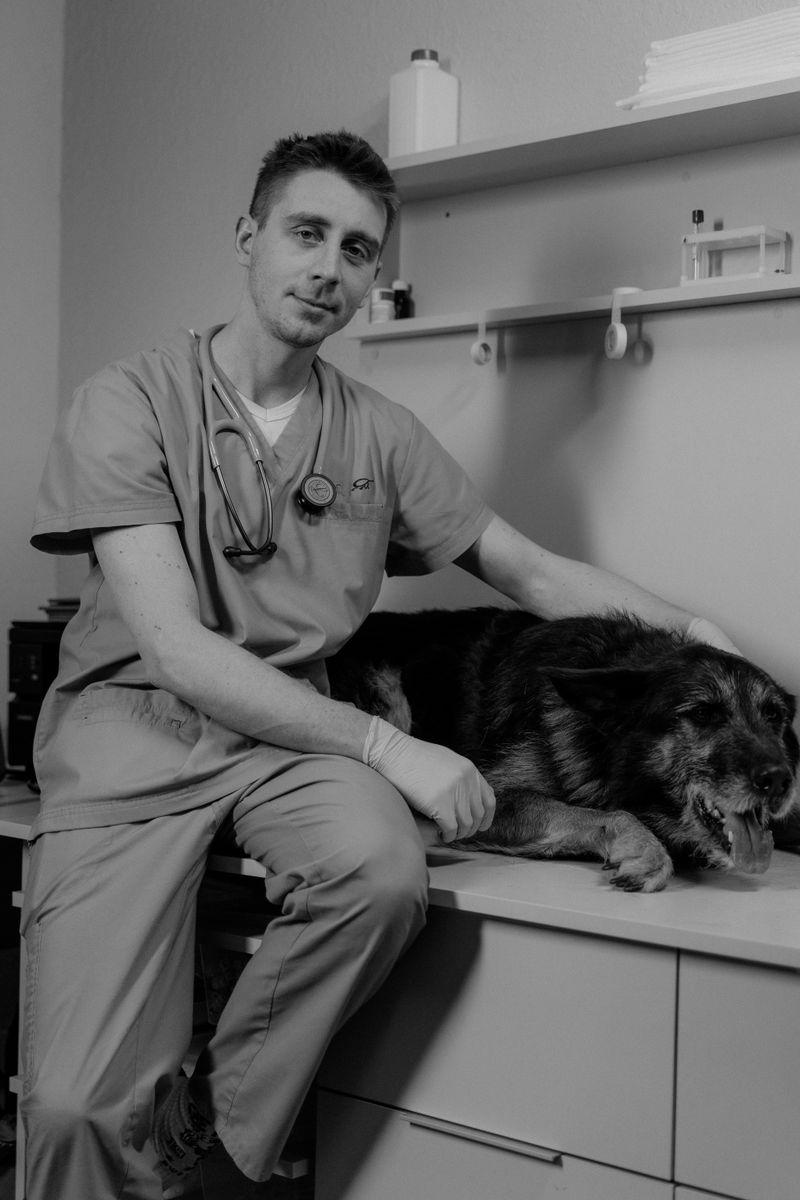
Veterinarian examining a dog on a clinic table

Helping your puppy through the chewing stage

Jul 2026

Chewing is how puppies explore the world and soothe sore teething gums — the goal is redirecting it, not stopping it. Keep three textures on rotation: a rubber toy stuffed with frozen peanut butter, a rope for supervised tugging, and a long-lasting dental chew for quiet time. Puppy-proof by moving shoes, cords, and remote controls out of reach, and bitter-apple spray the table legs you can't move. When teeth land on a chair instead of a toy, swap in the toy and praise the switch — scolding after the fact only confuses them. A tired puppy chews less destructively, so pair chew time with short training games and naps.

Feed them well

Put the advice into the bowl — shop small-batch food, treats and chews.

Shop all